.png)
Nanotechnology in Medicine: Treating Disease at Molecular Level
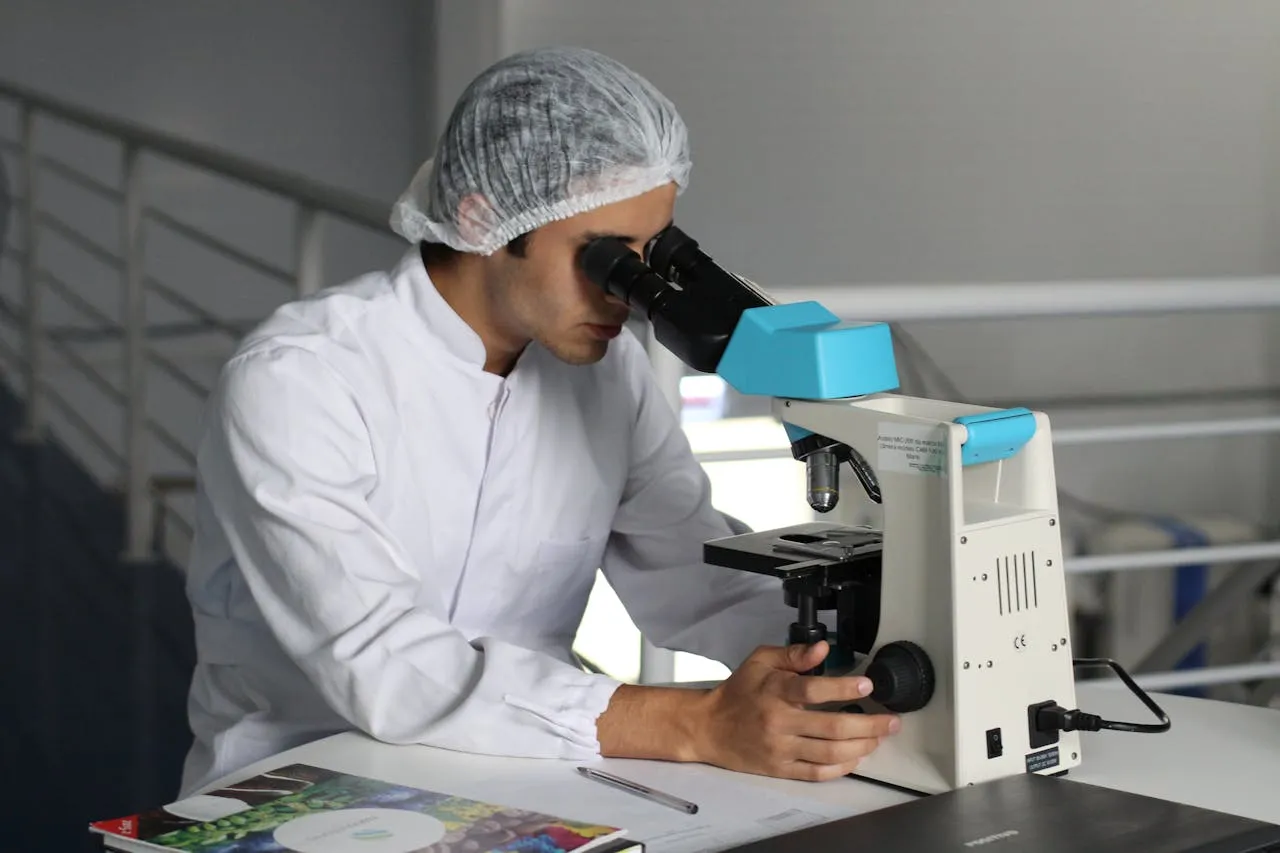
Nanotechnology—working with materials at molecular and atomic scales—is creating revolutionary medical applications. Nanoparticles can deliver medications directly to diseased cells, diagnose conditions earlier, and repair damage at the cellular level, representing an entirely new frontier in medicine.Nanoparticles can be engineered to target specific cancer cells while ignoring healthy tissue. This targeted drug delivery reduces systemic toxicity while improving efficacy. Some nanoparticles are designed to respond to tumor environments, releasing drugs specifically when reaching cancer tissue. This specificity improves outcomes while reducing chemotherapy side effects.Diagnostic nanosensors can detect biomarkers indicating disease at extremely early stages. Some experimental sensors can identify single molecules of cancer markers, potentially enabling disease detection before symptoms emerge when treatment is typically most effective. Developing point-of-care diagnostic nanosensors could bring laboratory-quality diagnostics to remote areas lacking infrastructure.Nanoparticles also enable new vaccine delivery methods and act as artificial blood cells delivering oxygen more efficiently than biological cells. Researchers develop nanorobots that could eventually repair cellular damage directly. While some applications remain theoretical, proof-of-concept research demonstrates potential.Current nanotechnology applications in medicine include drug delivery systems already used clinically and diagnostic applications being validated. As the field matures and regulatory frameworks develop, nanotechnology applications will expand. Interested patients should stay informed about clinical trials investigating novel nanotechnology approaches potentially benefiting specific conditions. Discussing these emerging options with specialists helps identify promising opportunities.
Get health tips in your inbox
Receive practical advice from our doctors delivered straight to you each month